Introduction to Women's Strength Training Equipment
Key Takeaways
- Women-specific strength training equipment is designed for comfort and efficiency.
- Understanding different types of equipment can enhance workout effectiveness.
- Prioritize ergonomics to prevent injuries and maximize results.
- Incorporating various tools can diversify workout routines.
Welcome to your essential guide to women's strength training equipment. As more women embrace strength training, specific equipment designed to meet their unique needs becomes important. This article explores the different types of strength training tools available for women, how to use them effectively, and the benefits they provide.
Why Strength Training is Important for Women
Engaging in strength training has numerous benefits, including enhancing muscle tone, boosting metabolism, and improving bone density. These benefits are crucial for women seeking to maintain health and fitness at all stages of life.
Types of Strength Training Equipment
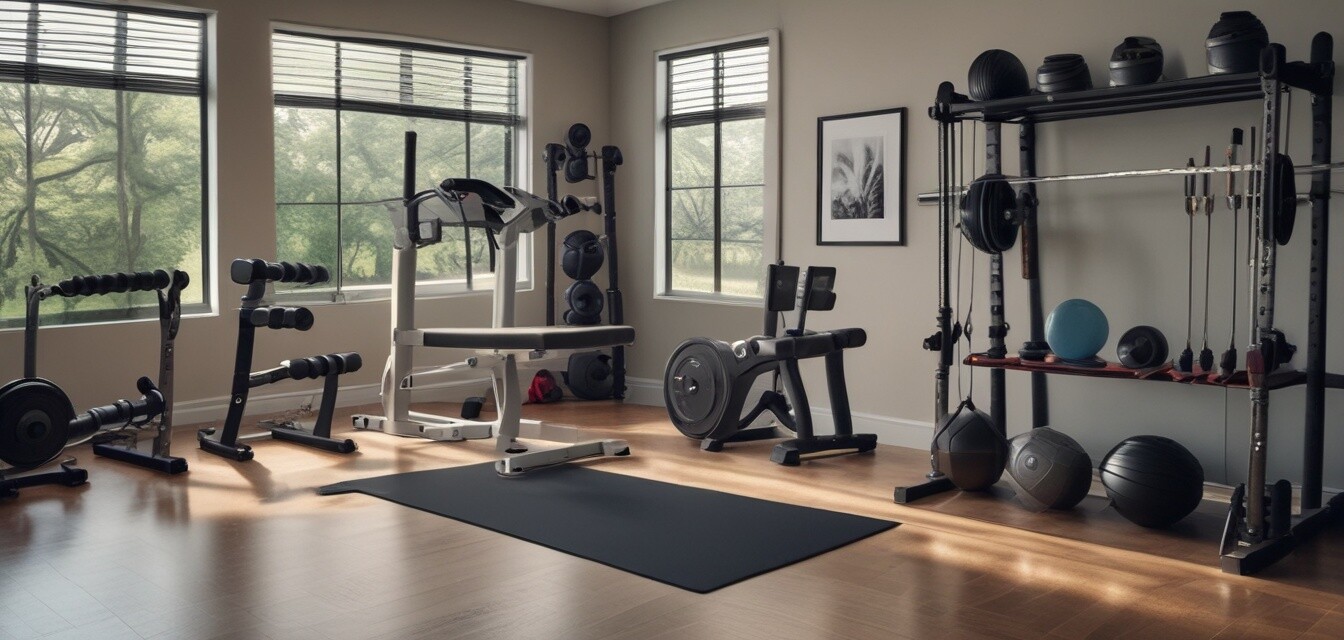
Understanding the various types of strength training equipment can help you choose the right tools for your fitness regimen. Below is a breakdown of common strength tools:
| Equipment Type | Description | Best For |
|---|---|---|
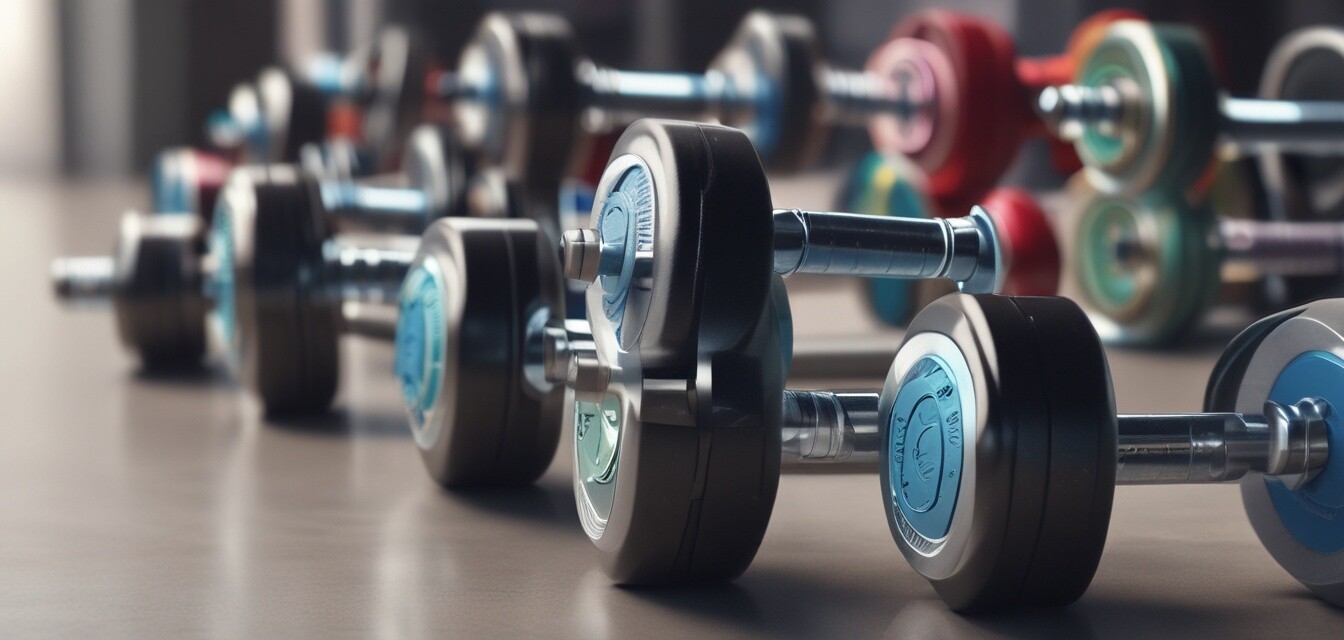
| Dumbbells & Free Weights | Handheld weights that come in various sizes. | Full body workouts and muscle toning. |
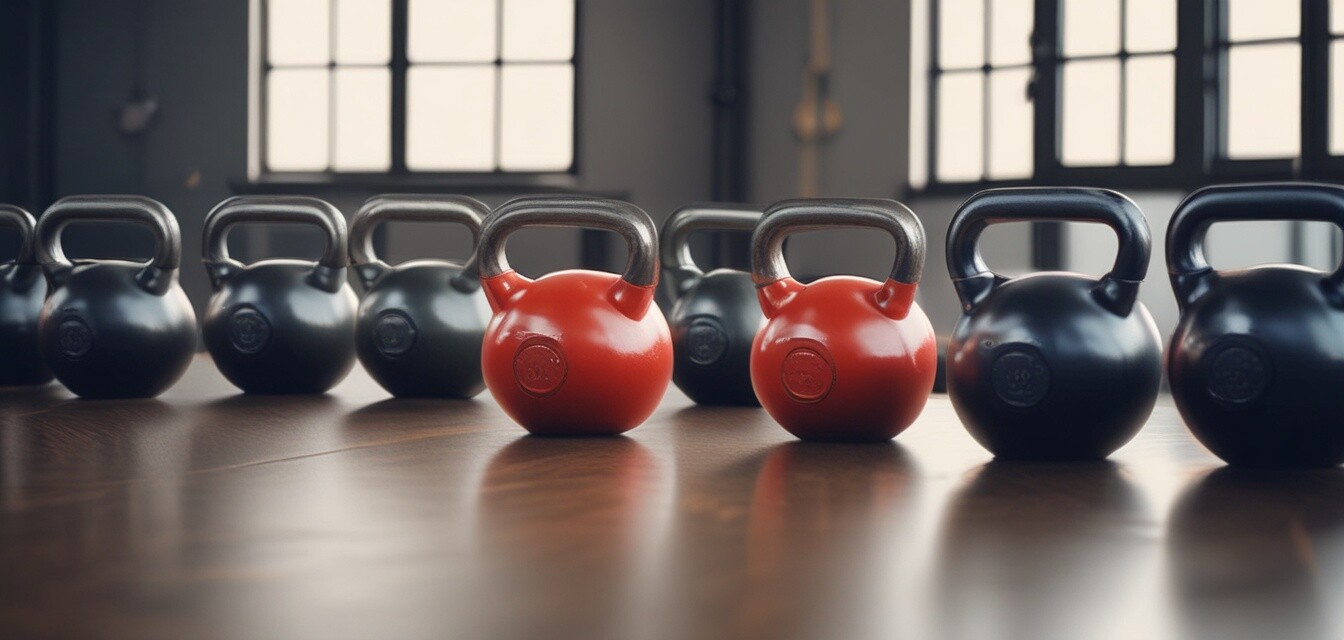
| Kettlebells | Weighted ball with a handle for dynamic movements. | Strength and endurance training. |
| Resistance Bands | Elastic bands that create resistance during exercises. | Rehabilitation and strength training. |
| Medicine Balls | Weighted balls used for strength and coordination. | Power training and core workouts. |
| Weight Benches | Sturdy benches for various weight-lifting exercises. | Bench pressing and seated exercises. |
| Pull-Up Bars | Fixed bars for upper body exercises. | Building upper body strength. |
Diving Deeper: Equipment Choices
Each type of equipment has specific features tailored for women's health and fitness needs:
Dumbbells & Free Weights
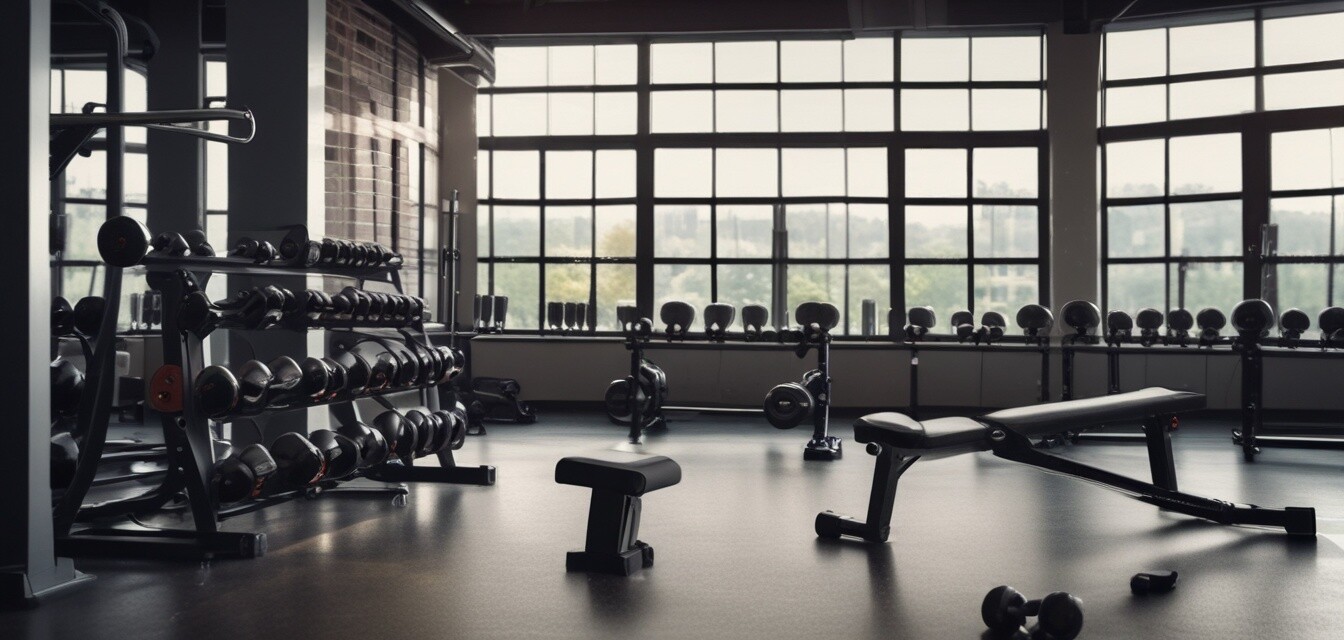
Dumbbells are versatile tools that allow users to perform a variety of exercises targeting different muscle groups. They come in various weights and are an excellent choice for both beginners and experienced lifters.
Kettlebells
Kettlebells enable dynamic workout routines that improve strength and cardiovascular fitness. They can provide a full-body workout and can be easily modified for all fitness levels.
Resistance Bands
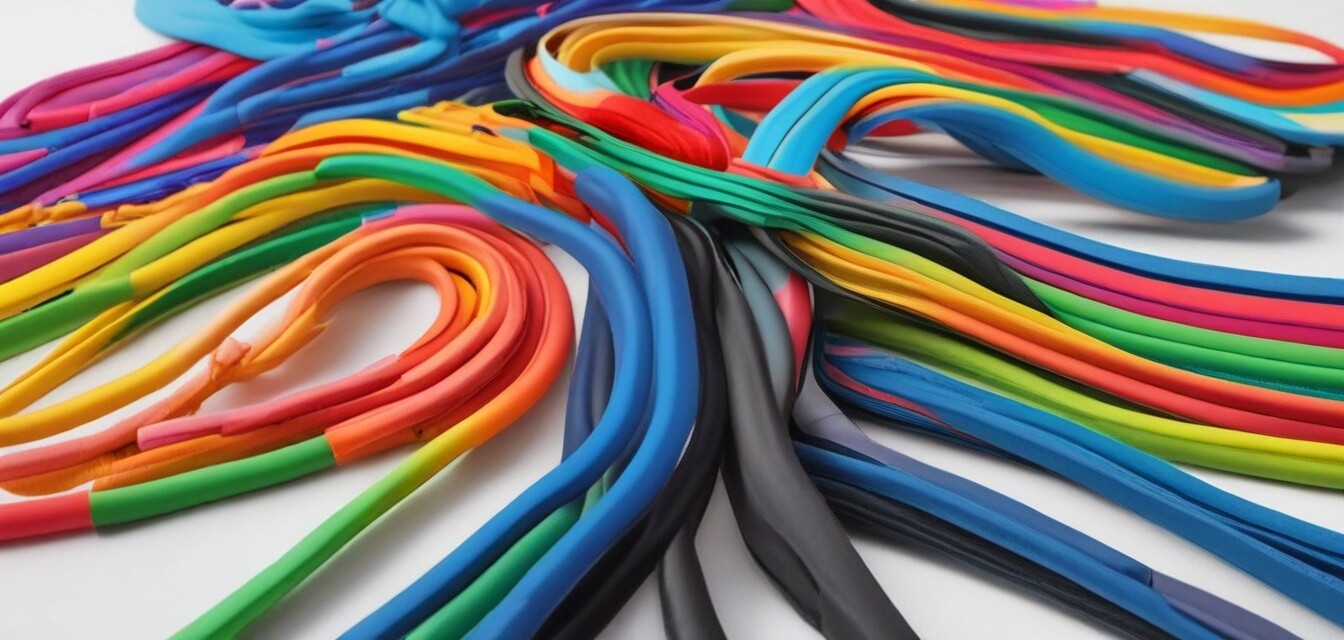
These elastic bands are portable and versatile. They provide constant tension during exercises, which can be particularly beneficial for strengthening muscles without the added weight.
Medicine Balls
Medicine balls are great for adding resistance to core exercises and can help in improving coordination. They are traditionally used in various training regimens.
Weight Benches
A weight bench is critical for performing many exercises, including presses and rows. The right bench can enhance the overall effectiveness of your strength training workouts.
Pull-Up Bars
Pull-up bars are essential for building upper body strength, specifically targeting the back and arms. They can be installed in doorways or used in outdoor parks.
Pros and Cons of Strength Training Equipment
Pros
- Enhances muscle strength and tone.
- Improves bone health and density.
- Diverse equipment options cater to individual needs.
- Helps in weight management and boosts metabolism.
- Can be performed at home or gym.
Cons
- Initial cost can be high for beginners.
- Risk of injury if not used correctly.
- Requires space for some equipment.
- May need guidance to learn proper techniques.
Best Practices for Using Strength Training Equipment
To maximize the benefits of strength training, adhere to the following best practices:
- Start with lighter weights and gradually increase.
- Maintain proper form to prevent injuries.
- Incorporate a warm-up and cool-down routine.
- Stay hydrated during workouts.
- Consult a fitness professional if needed.
Tips for Beginners
- Set realistic goals and track your progress.
- Invest in high-quality equipment that suits your size.
- Consider a mix of equipment for diverse workout sessions.
- Join a class or community for motivation and guidance.
Frequently Asked Questions
What is the best time to start strength training?
There is no wrong time to start strength training! It’s beneficial at any age. Just ensure you start at your fitness level.
Can I do strength training at home?
Certainly! Many strength training exercises can be performed at home using minimal equipment.
How often should I train with strength equipment?
For optimal results, aim for 2-3 strength training sessions per week, allowing a day of rest in between workouts.
Conclusion
Women's strength training equipment is both varied and essential for building strength and health. By understanding the equipment available and how to use it effectively, you can greatly enhance your fitness journey. Explore further categories such as Dumbbells & Free Weights or Kettlebells for more tailored insights.
Invest in your strength training journey today and experience the benefits firsthand!