Personalized Workout Regimes
Key Takeaways
- Customizing a workout regime is essential for effective strength training.
- Choosing the right equipment caters to individual needs and preferences.
- A well-structured program will consider fitness goals, experience levels, and schedule.
- Regular adjustments to the program enhance progress and motivation.
Creating a personalized workout regime is vital for women who want to achieve their fitness goals. This article will provide insights into how to structure a routine, select appropriate equipment, and design a program that resonates with individual preferences and needs. Let's dive into the key components of an effective strength training routine!
Understanding your fitness goals
Before creating a personalized workout regime, it's essential to understand personal fitness goals. By identifying specific targets, you can tailor your workout to meet those objectives. Here are common goals:
- Build strength
- Increase muscle definition
- Improve endurance
- Weight loss
- Enhance overall health
Selecting the right equipment
The right equipment is crucial in tailoring your workout regime. Below is a breakdown of commonly used strength training equipment, specifically designed for women:
| Equipment | Description | Usage |
|---|---|---|
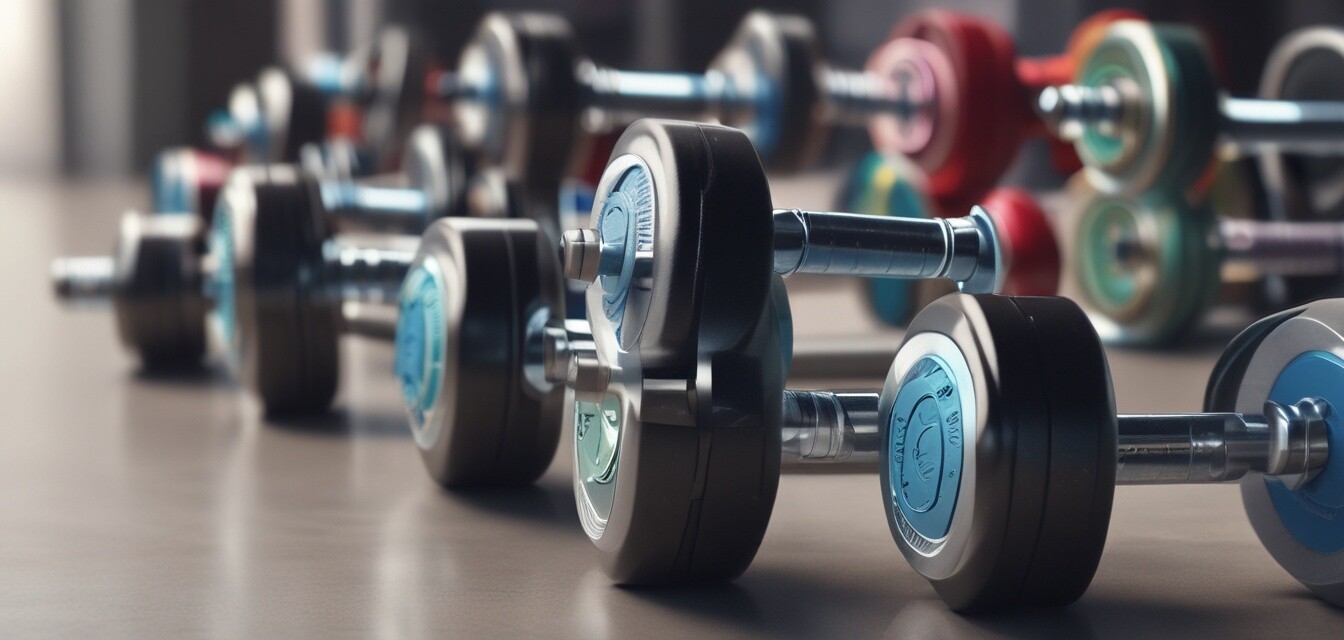
| Dumbbells & Free Weights | Versatile and easy to handle, ideal for various exercises. | Strength training and muscle toning. |
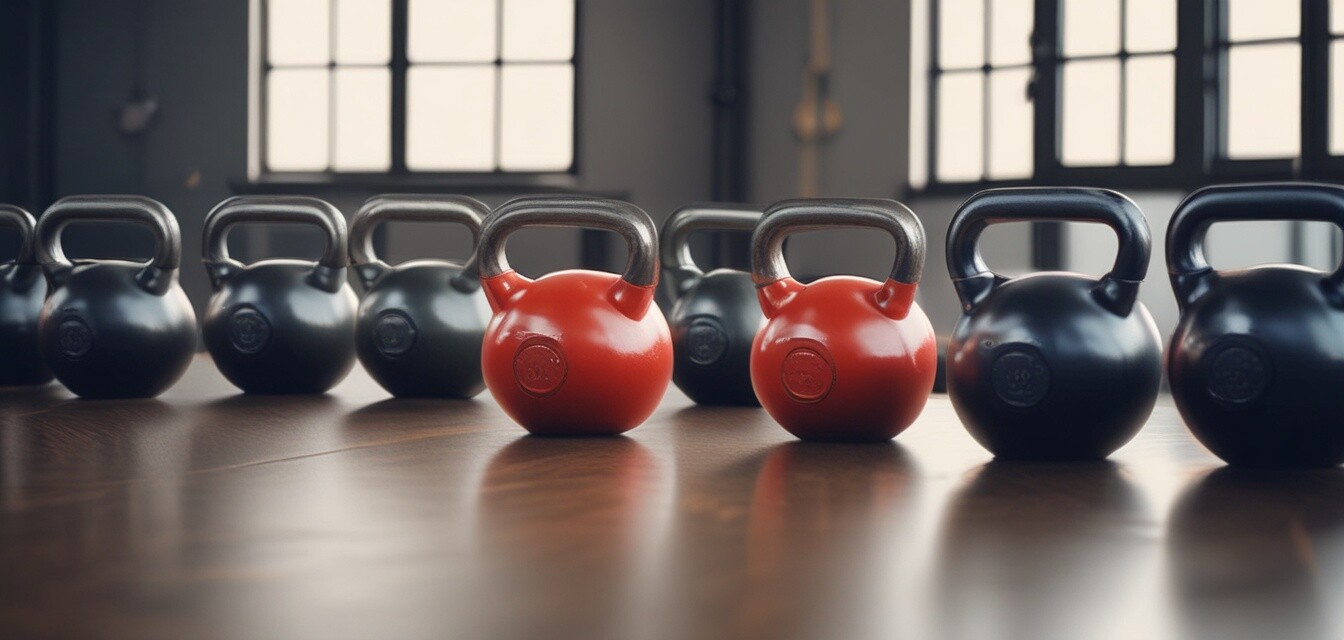
| Kettlebells | Perfect for dynamic movements and improving cardiovascular endurance. | Full-body workouts and functional training. |
| Resistance Bands | Great for adding variable resistance to bodyweight exercises. | Strength training and rehabilitation. |
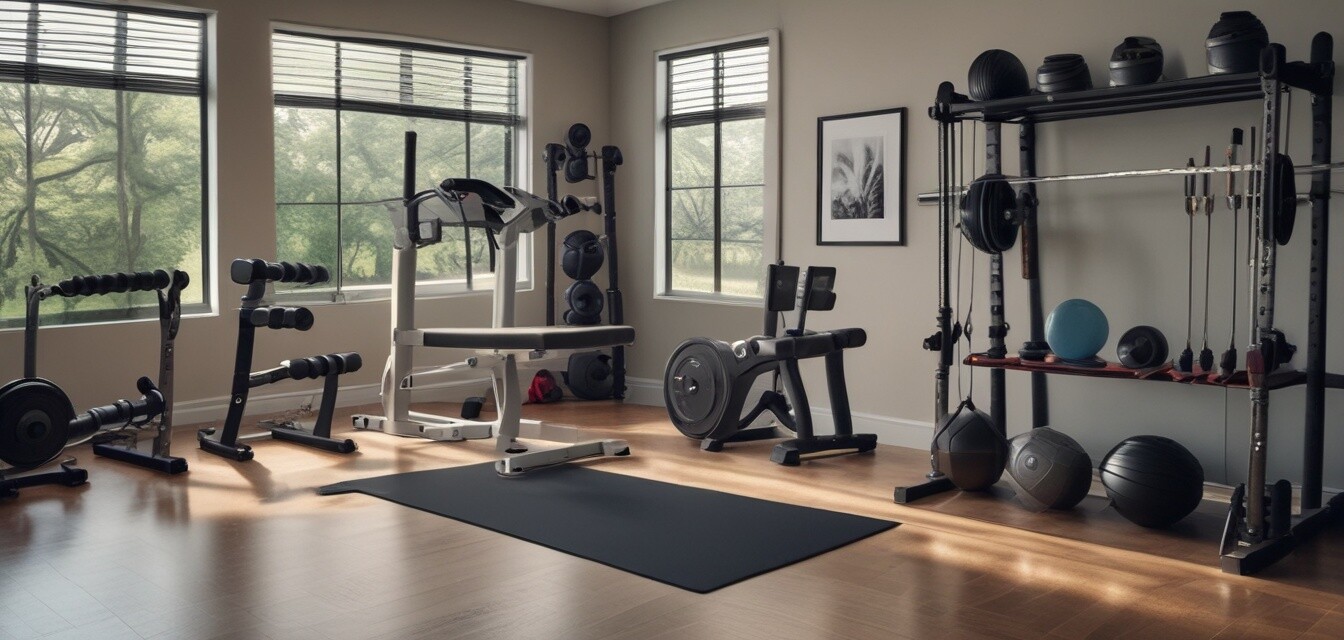
| Weight Benches | Used for various exercises, enhancing stability during workouts. | Bench presses, tricep dips, and more. |
Explore more about dumbbells and free weights and their benefits in your training.
Designing your program
When designing your workout program, consider the following steps to ensure it's suited for you:
- Assess your current fitness level: Understand where you stand to create realistic milestones.
- Set SMART goals: Make sure your goals are Specific, Measurable, Achievable, Relevant, and Time-bound.
- Frequency and duration: Determine how many days a week you can commit to training and how long each session will last.
- Exercise selection: Choose a mix of compound and isolation exercises to work on different muscle groups.
- Progression strategy: Plan for progression by gradually increasing weights, repetitions, or sets.
Example structure of a strength training week:
| Day | Exercises | Focus |
|---|---|---|
| Monday | Dumbbell workout including squats and presses | Lower Body |
| Wednesday | Kettlebell swings and rows | Full Body |
| Friday | Resistance band exercises | Upper Body |
For more insights, check out our guide on kettlebells to enhance your workout effectiveness.
Adjustments and variations
To keep your training regime engaging and effective, it's essential to make regular adjustments. Consider these tips:
- Cross-train by incorporating different equipment types.
- Change the order of your workouts every few weeks.
- Increase weights or resistance gradually to continue challenging your muscles.
- Incorporate different styles of training, such as circuit training or HIIT.
Tips for beginners
If you're new to strength training, here are some helpful tips:
- Start with lighter weights to master form.
- Consider working with a trainer to learn proper techniques.
- Listen to your body and rest when necessary.
- Set realistic expectations to stay motivated.
Tracking your progress
Tracking your progress is essential for staying motivated and making necessary adjustments to your routine. Here are ways to keep track:
- Maintain a workout journal or use fitness apps.
- Take progress photos to visualize changes.
- Record weights and repetitions for each workout.
- Set milestone rewards for achieving goals.
The importance of recovery
Recovery is an integral part of any workout regime. Here are some key practices to incorporate:
- Incorporate rest days into your routine.
- Engage in light activities like walking or yoga on rest days.
- Focus on nutrition to fuel recovery.
- Consider cooldown exercises after workouts to reduce soreness.
Pros
- Helps in achieving personalized fitness goals.
- Increases overall strength and endurance.
- Boosts confidence and body image.
- Encourages a sense of community when done in groups.
Cons
- Requires time commitment and consistency.
- Can lead to injuries if not done correctly.
- Some equipment can be expensive to purchase.
Conclusion
Creating a personalized workout regime is an empowering step toward achieving your fitness aspirations. By choosing the right equipment, setting clear goals, and structuring a balanced program, you'll be well-equipped to make significant progress while enjoying the journey. Don't hesitate to keep learning and adjustments along the way, and remember, consistency is key!
For additional reading and information on strength training gear, visit our resistance bands and weight benches sections.